
Viewing 266 - 270 out of 336
Community Content

We Can Help With
Strabismus Causes and Treatment
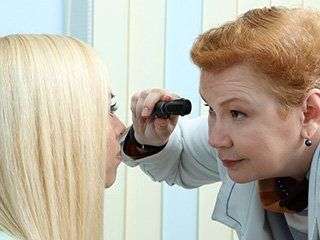
In order for your eyes to focus normally, six muscles around each eye must work together. When your two eyes see different images, your brain tends to favor the stronger eye. This means the weak eye gets weaker, resulting in amblyopia, or “lazy eye.” Risk factors for developing strabismus may include
Visual Rehabilitation
Post-Concussive Vision Syndrome
More than 300,000 sports-related concussions occur each year, according to research. Many more concussions result from motor vehicle accidents, falls, and other non-sports related incidents. In addition to causing cognitive difficulties, concussions may result in a cluster of problems called post-concussive

Visual Rehabilitation
Special Needs
The cognitive differences of special needs children and adults are well-documented, but vision issues often receive less attention. People with special needs have the same range of vision issues as their neurotypical counterparts; however, these vision problems occur at a much higher rate in special

Visual Rehabilitation
Traumatic Injury
Accurate vision involves much more than good eye health. The brain integrates signals from the eyes with information from the motor, balance, and auditory systems to create an accurate view of the world. Following traumatic injury, one or more components of this complex system may be damaged. Receiving

Vision Therapy Programs
Balance Board
The brain and the eyes work together to create a visual experience. On one hand, the eyes send signals to the brain, which allows it to translate that data into visuals; on the other, the brain sends signals to the muscles attached to each eye, controlling their movements. If anything disrupts these
Page 1
Page 2
Page 3
Page 4
Page 5
Page 6
Page 7
Page 8
Page 9
Page 10
Page 11
Page 12
Page 13
Page 14
Page 15
Page 16
Page 17
Page 18
Page 19
Page 20
Page 21
Page 22
Page 23
Page 24
Page 25
Page 26
Page 27
Page 28
Page 29
Page 30
Page 31
Page 32
Page 33
Page 34
Page 35
Page 36
Page 37
Page 38
Page 39
Page 40
Page 41
Page 42
Page 43
Page 44
Page 45
Page 46
Page 47
Page 48
Page 49
Page 50
Page 51
Page 52
Page 53
Page 54
Page 55
Page 56
Page 57
Page 58
Page 59
Page 60
Page 61
Page 62
Page 63
Page 64
Page 65
Page 66
Page 67
Page 68
Location
Find us on the map
Office Hours
Our regular schedule
Amelia Eye Associates
Testimonials
Reviews By Our Satisfied Clients
Newsletter Sign Up
Sign up for more articles
